- Shop
- Health & Pharmacy
- Baby & Child Health
- COVID-19 Essentials
- Lifestyle & Wellbeing
- Medicines & Treatments
- Cough Medicine
- Dental Care
- Diabetes Management
- Ear Drops & Sprays
- Eye Drops
- First Aid Kits
- Foot Care
- Hair Loss Shampoo
- Hay Fever Tablets
- Head Lice Treatments
- Heartburn Tablets
- Joint Health
- Pain Killers
- Piles Treatments
- Skin Care Products
- Sleeping Tablets & Pills
- Stomach Pain Tablets
- Thrush Treatments
- UTI
- Weight Loss Management
- Men’s health
- Self-Test & Treat
- Sexual Pleasure & Wellbeing
- Travel Health
- Vitamins & Supplements
- Women’s Health
- Sun & Holiday
- Beauty & skincare
- Toiletries
- Baby & child
- Mens
- Wellness
- NAD+ Pen
- Health & Pharmacy
- Online Weight Loss
- Ask the Pharmacist
- Health & Advice
- In-Store Clinics
cut-off time for dispatch
next day delivery
order value for free-delivery

Prescription Hay Fever Medicine
- Home
- Online Doctor
- Prescription Hay Fever Medicine
Hay fever is usually worse between late March and September, especially when it’s warm, humid and windy. This is when the pollen count is at its highest.
Suffering from hay fever symptoms? We can help you find the right treatment to help keep your allergies under control.
To order prescription rosacea treatment online, simply complete a short assessment and select your preferred treatment option. Our UK-based GP’s will then review your assessment and prescribe the most suitable treatment for you.
MEDICATION
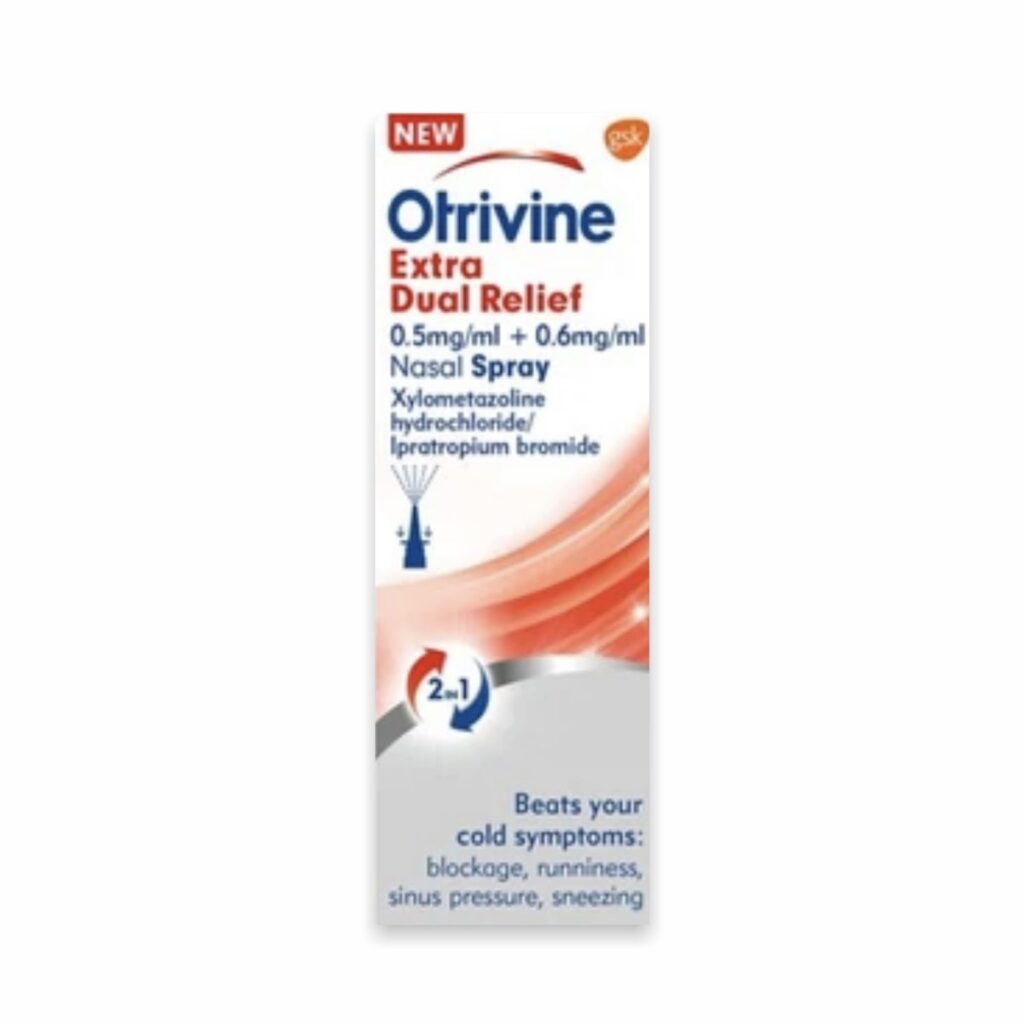
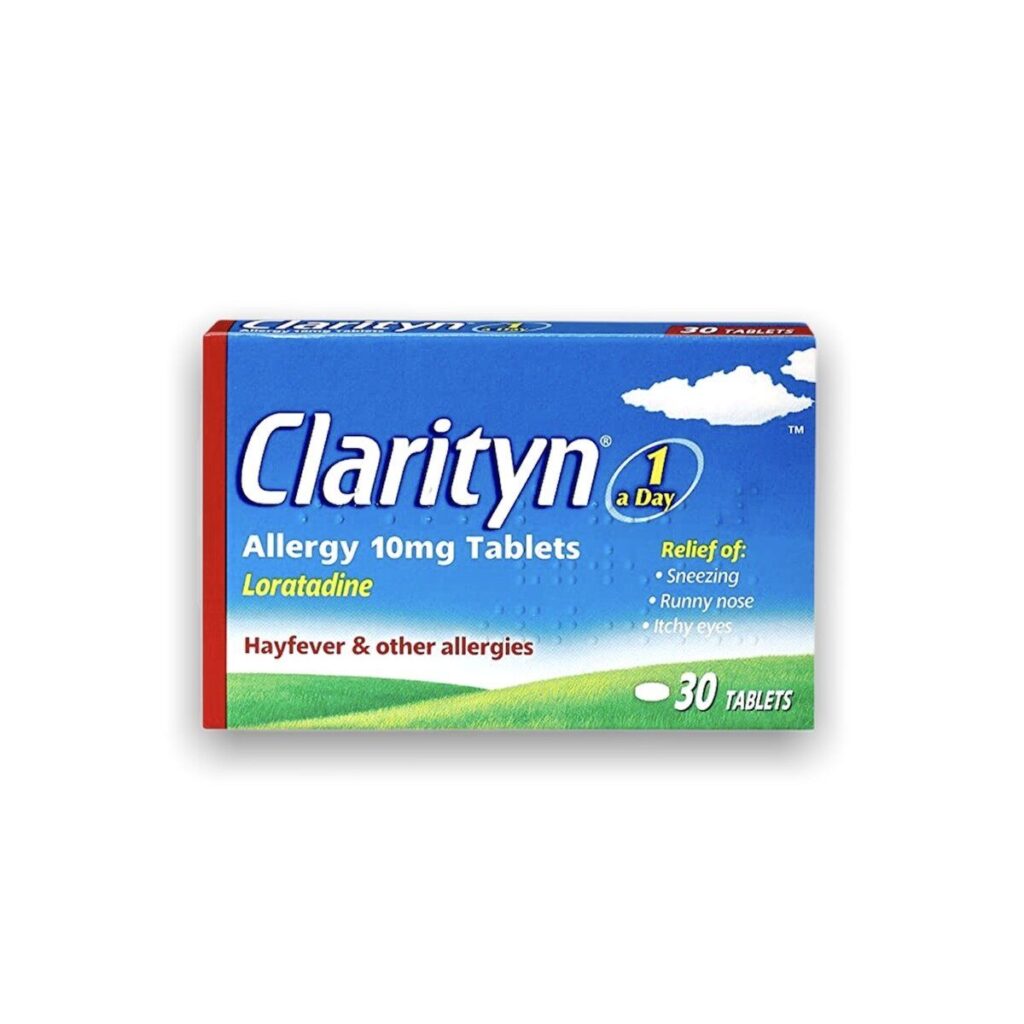
Hay fever is an allergic reaction to pollen, the fine powdery substance produced by plants during certain times of the year. Symptoms are usually most severe during the summer months between May and August. However, you may still experience symptoms during other times of the year – as early as January or as late as September.
Using hay fever treatments can help relieve symptoms, but it is also beneficial to minimise your exposure to pollen. There are three main types of pollen and hay fever sufferers often react differently to the different types, which are released at different times of the year.
Hay fever season
- Tree Pollen (March to May)
- Grass Pollen (May to July)
- Weed pollen (June to September)
How to reduce hay fever symptoms:
- Stay indoors when pollen count is over 50
- Wash your face and hands regularly
- Close windows and doors
- Avoid other allergens, such as chemicals, pet fur and tobacco smoke
- Limit alcohol intake
Having a pollen allergy means your immune system is over-sensitive and treats pollen as if it were a threat, like bacteria or a virus. As a result, your body produces antibodies to fight off the perceived threat. When your antibodies detect pollen in the lining of your nose, throat or eyes, they release a number of chemicals, including histamines. The release of these histamines is what causes the symptoms of hay fever.
A wide range of hay fever treatments are available to buy online and over-the-counter. However, if your allergies are more severe these may not adequately relieve your symptoms and you may require stronger prescription medication.
About Fexofenadine
Fexofenadine tablets are available on prescription. These work in a similar way to over-the-counter antihistamines, by blocking the histamines that cause the allergic response, however are more likely to cause drowsiness as a side effect.
You take one tablet taken daily, ideally first thing in the morning before you go outside into the pollen. Caution should be exercised before driving or operating machinery while taking prescription antihistamines as the drug can make some people drowsy.
Patient information leaflet:
https://www.medicines.org.uk/emc/files/pil.10144.pdf
About Levocetirizine
Levocetirizine tablets are available on prescription. These work in a similar way to over-the-counter antihistamines, by blocking the histamines that cause the allergic response, however are more likely to cause drowsiness as a side effect.
You take one tablet taken daily, ideally first thing in the morning before you go outside into the pollen. Caution should be exercised before driving or operating machinery while taking prescription antihistamines as the drug can make some people drowsy.
Patient information leaflet:
https://www.medicines.org.uk/emc/files/pil.9917.pdf
About Desloratadine
Desloratadine tablets are available on prescription. These work in a similar way to over-the-counter antihistamines, by blocking the histamines that cause the allergic response, however are more likely to cause drowsiness as a side effect.
You take one tablet taken daily, ideally first thing in the morning before you go outside into the pollen. Caution should be exercised before driving or operating machinery while taking prescription antihistamines as the drug can make some people drowsy.
Patient information leaflet:
https://www.medicines.org.uk/emc/files/pil.12005.pdf
About Beconase Aqueous Nasal Spray
Beconase Aqueous Nasal Spray contains the steroid beclometasone, which helps to relieve the inflammation caused by hay fever in the nose and sinuses.
The starting dose for Beconase is two sprays into each nostril twice a day. The dose may be decreased to one spray per nostril twice a day once symptoms are under control. The first dose should be taken in the morning before going outside into the pollen.
The main advantages of nasal sprays are that they target symptoms in the nose and avoid the side effects of drowsiness which you get with some antihistamine tablets.
Patient information leaflet:
https://www.medicines.org.uk/emc/files/pil.844.pdf
About Avamys Nasal Spray
Avamys Nasal Spray contains the steroid fluticasone, which helps to relieve the inflammation caused by hay fever in the nose and sinuses.
The starting dose for Avamys is two sprays into each nostril once a day. The dose may be decreased to one spray per nostril once a day when symptoms are under control. The dose should be taken in the morning before going outside into the pollen.
The device should be gently shaken and primed before first use. Prime the device by holding it upright and pressing the button at least 6 times until a fine mist is released. You should only need to re-prime the device if the cap has been left off for more than 5 days or if it has gone unused for over 30 days.
The main advantages of nasal sprays is that they target symptoms in the nose and avoid the side effects of drowsiness which you get with some antihistamine tablets.
Patient information leaflet:
https://www.medicines.org.uk/emc/files/pil.6439.pdf
About Rhinolast Nasal Spray
Rhinolast Nasal Spray contains the antihistamine azelastine, which helps to relieve the inflammation caused by hay fever in the nose and sinuses.
The starting dose for Rhinolast is one spray into each nostril twice a day. The first dose should be taken in the morning before going outside into the pollen.
The main advantages of nasal sprays is that they target symptoms in the nose and avoid the side effects of drowsiness which you get with some antihistamine tablets.
Patient information leaflet:
https://www.medicines.org.uk/emc/files/pil.1623.pdf
About Dymista Nasal Spray
Dymista Nasal Spray contains the steroid fluticasone and the antihistamine azelastine, which work together to relieve the inflammation caused by hay fever in the nose and sinuses.
The starting dose for Dymista is one spray into each nostril twice a day. The first dose should be taken in the morning before going outside into the pollen. Dymista Nasal Spray is suitable for long term use during pollen season.
Before first use, you should gently shake the bottle for 5 seconds and prime the pump by pressing it down 6 times until a fine mist is released. If the bottle has not been used for more than 7 days, you will need to re-prime the pump.
The main advantages of nasal sprays is that they target symptoms in the nose and avoid the side effects of drowsiness which you get with some antihistamine tablets.
Patient information leaflet:
https://www.medicines.org.uk/emc/files/pil.9450.pdf
About Optilast Eye Drops
Optilast eye drops contain the antihistamine azelastine. Eye drops are perfect when you just need to treat the hay fever symptoms associated with your eyes such as itching and red, watery eyes.
You just apply one drop into each eye twice a day. The dosing frequency can be increased to four times daily if necessary to control your hay fever symptoms. The first dose should be applied in the morning before going outside into the pollen.
You should avoid using Optilast eye drops when wearing contact lenses as they may discolour the lenses.
If you use eye drops for other medical conditions, you should wait at least 5 minutes between applying the different drops.
Patient information leaflet:
https://www.medicines.org.uk/emc/files/pil.1624.pdf
Side effects
Fexofenadine:
Common side effects (affects 1-10% of the population)
- Drowsiness
- Headache
- Dizziness
- Nausea
For a full list of side effects, please read the patient information leaflet.
https://www.medicines.org.uk/emc/files/pil.10144.pdf
Levocetirizine:
Common side effects (affects 1-10% of the population)
- Drowsiness
- Headache
- Dry mouth
- Fatigue
For a full list of side effects, please read the patient information leaflet.
https://www.medicines.org.uk/emc/files/pil.9917.pdf
Desloratadine:
Common side effects (affects 1-10% of the population)
- Headache
- Dry mouth
- Fatigue
For a full list of side effects, please read the patient information leaflet.
https://www.medicines.org.uk/emc/files/pil.12005.pdf
Beconase Aqueous Nasal Spray:
Common side effects (affects 1-10% of the population)
- Rash
- Skin redness
- Unpleasant taste/smell
- Nose bleed
- Dry nose/throat
For a full list of side effects, please read the patient information leaflet.
https://www.medicines.org.uk/emc/files/pil.844.pdf
Avamys Nasal Spray:
Very common side effects (affects more than 10% of the population)
- Nose bleed
Common side effects (affects 1-10% of the population)
- Headache
- Difficulty breathing
- Nasal ulceration
For a full list of side effects, please read the patient information leaflet.
https://www.medicines.org.uk/emc/files/pil.6439.pdf
Rhinolast Nasal Spray:
Common side effects (affects 1-10% of the population)
- Unpleasant taste
- Nausea
For a full list of side effects, please read the patient information leaflet.
https://www.medicines.org.uk/emc/files/pil.1623.pdf
Dymista Nasal Spray:
Very common side effects (affects more than 10% of the population)
- Nose bleed
Common side effects (affects 1-10% of the population)
- Headache
- Unpleasant taste/smell
For a full list of side effects, please read the patient information leaflet.
https://www.medicines.org.uk/emc/files/pil.9450.pdf
Optilast Eye Drops:
Common side effects (affects 1-10% of the population)
- Mild eye irritation
For a full list of side effects, please read the patient information leaflet.
The symptoms of hay fever can often be mistaken for a cold. However, unlike the cold, the symptoms of hay fever will persist and tend to be present during the warmer summer months when pollen levels are highest. The presence of itchy eyes is also key in differentiating between hay fever and the cold.
The main symptoms of hay fever include:
- Itchy eyes/nose/throat
- Sneezing
- Blocked/runny nose
- Watering, red eyes
- Headaches
- Shortness of breath
- Tiredness
- The feeling of mucus running down the back of the throat, also called ‘post-nasal drip’